INTRODUCTION
INTRODUCTION TO THE COMPUTER NETWORKS & SOCIAL NETWORKS
This glossary covers the essential concepts of computer networks and social networks. Topics include network hardware, transmission media, topologies, data protocols, network security, and the history of the internet and social media.
What is a Computer Network?
A computer network is a set of computers connected together for the purpose of sharing resources and communicating.
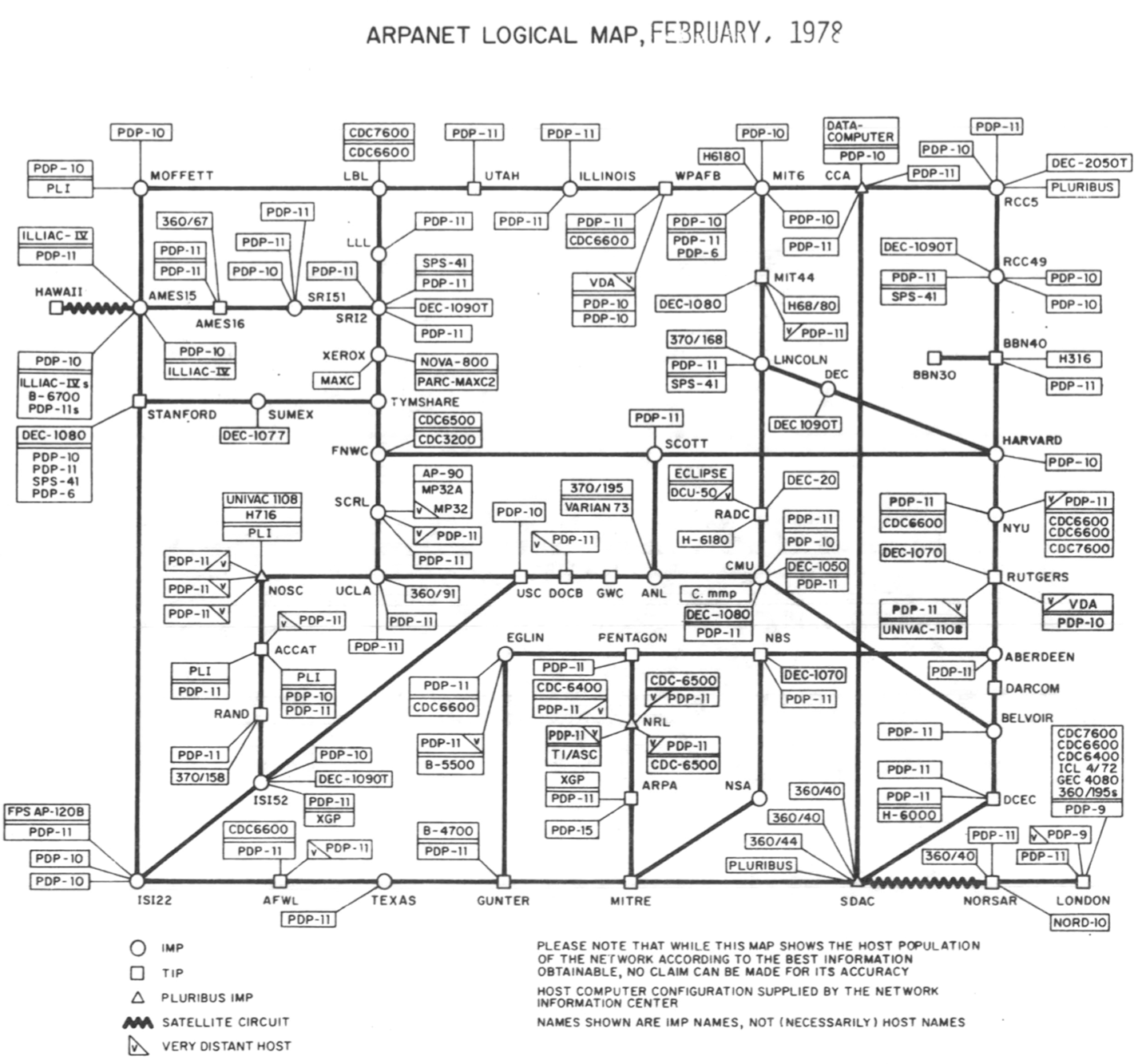
ARPANET
ARPANET stood for Advanced Research Projects Agency Network. A Defense Department research project, it was an early network developed by the U.S. — the precursor to today's internet.
Bandwidth
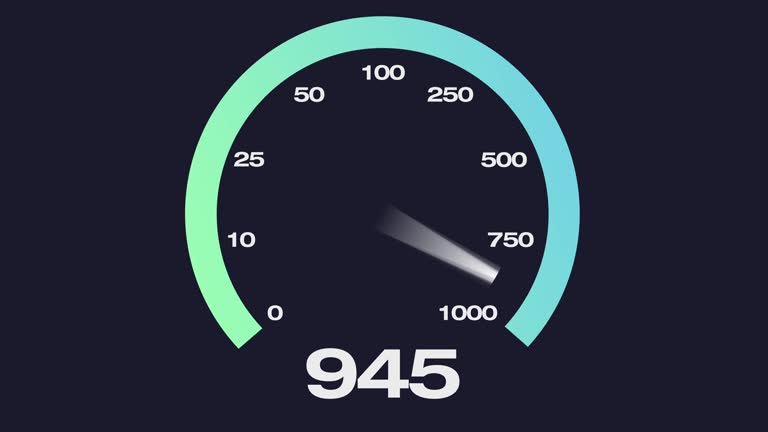
Network bandwidth is a measurement indicating the maximum capacity of a wired or wireless communications link to transmit data over a network connection in a given amount of time.
Binary
A number system that only uses two digits: 0 and 1. It is the fundamental language of computers.

Decimal
The global standard number system for denoting integers. It has a base of 10, using digits: 0, 1, 2, 3, 4, 5, 6, 7, 8, 9.

Bits, Bytes, KiloBytes & Megabytes
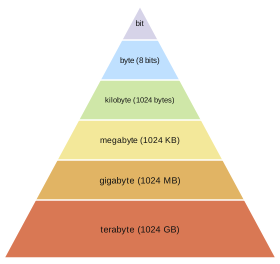
Units used to measure data size and storage capacity. A bit is the smallest unit (0 or 1), 8 bits = 1 byte, 1024 bytes = 1 kilobyte, 1024 kilobytes = 1 megabyte.
Data
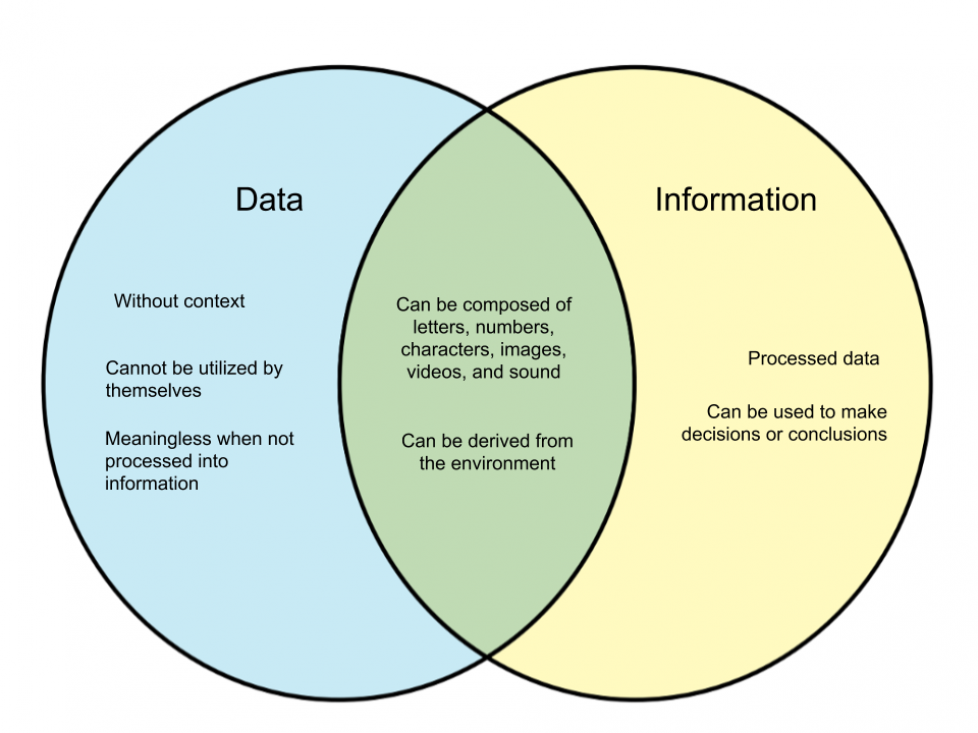
Raw facts and figures represented in binary that can be processed by a computer. Data on its own has no meaning until it is processed.

Information
Data that has been processed, organised, or structured so that it has meaning and is useful to people.
Internet of Me (IoMe)
Loosely refers to technology which connects our minds and bodies with the online world. It transforms our biological and cognitive life into streams of data which can be monitored, shared and shaped.
Internet of Things (IoT)
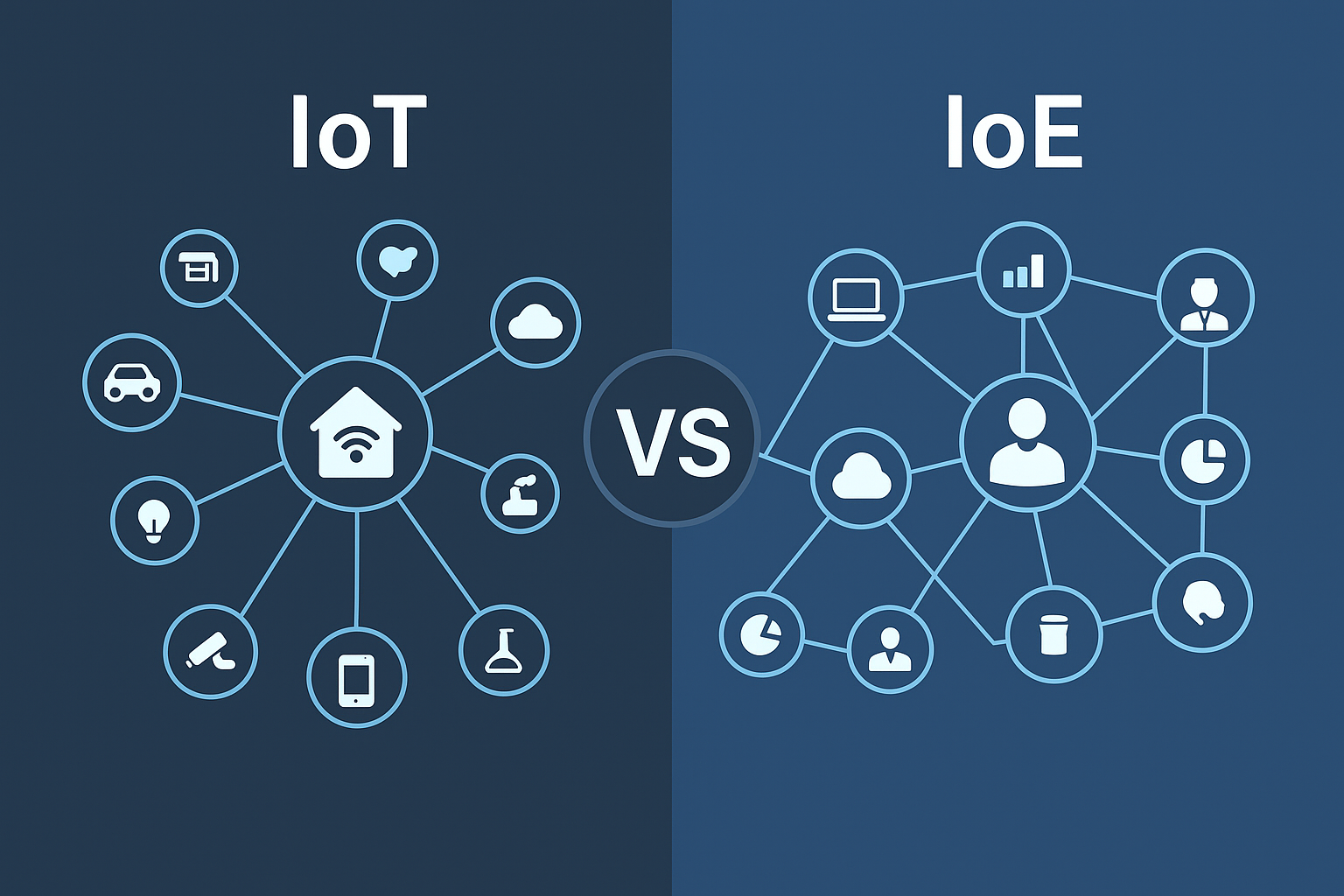
Encompasses smart devices and smart objects that send and receive information using the internet and communication infrastructure.

Cloud-based Data Storage
A mode of computer data storage in which digital data is stored on servers in off-site locations. The servers are maintained by a third-party provider who is responsible for hosting, managing and securing data stored on its infrastructure.

What is a Social Network?
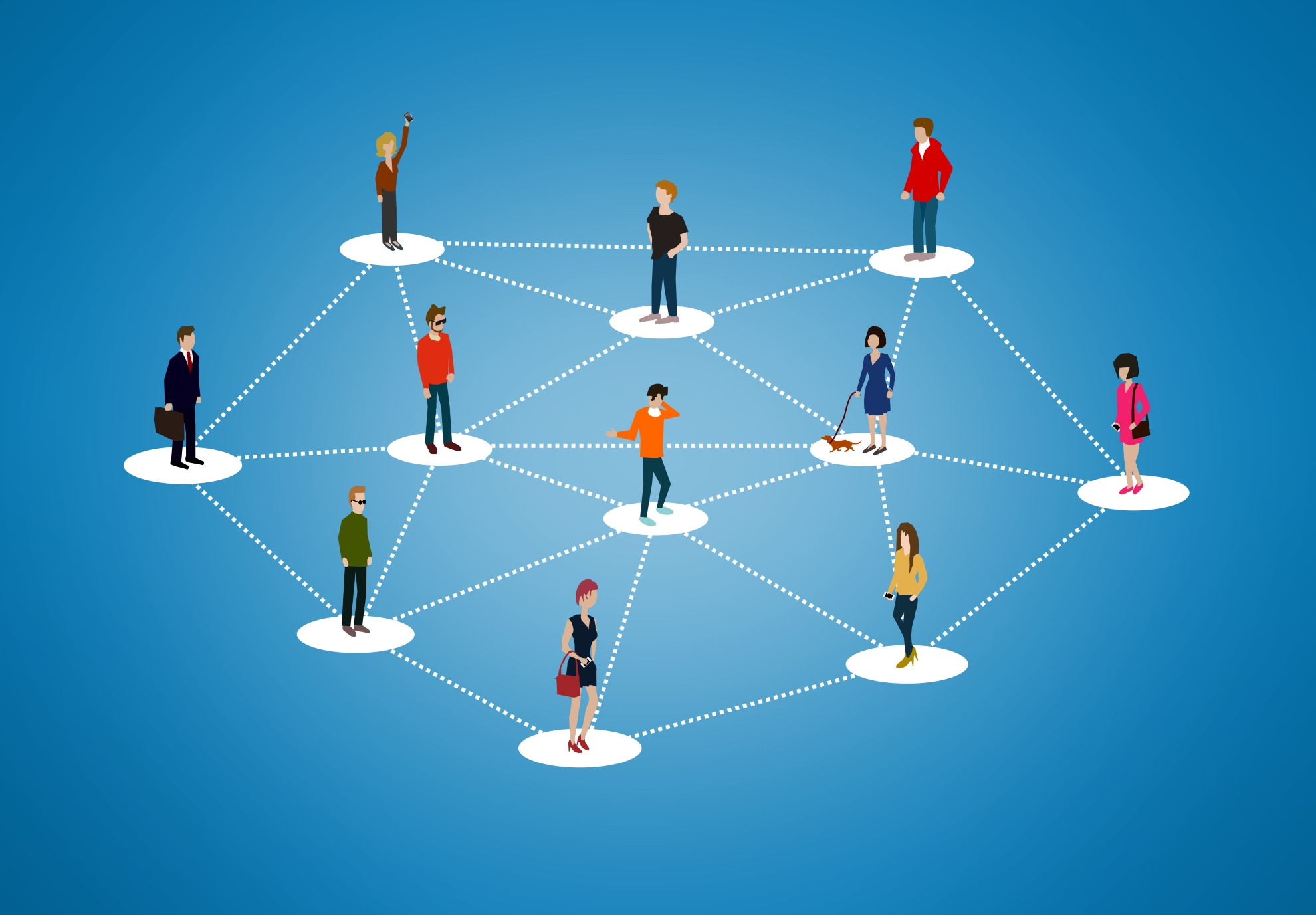
A structure that describes the relationships that exist between individuals and/or organisations. Social networking services provide a mechanism for people to communicate, share and interact.
Social Network
A structure that describes the relationships between individuals and/or organisations. Social networking services and tools provide a mechanism for people who share common interests or personal ties to communicate, share and interact using a range of media such as text, images and video.
Entity
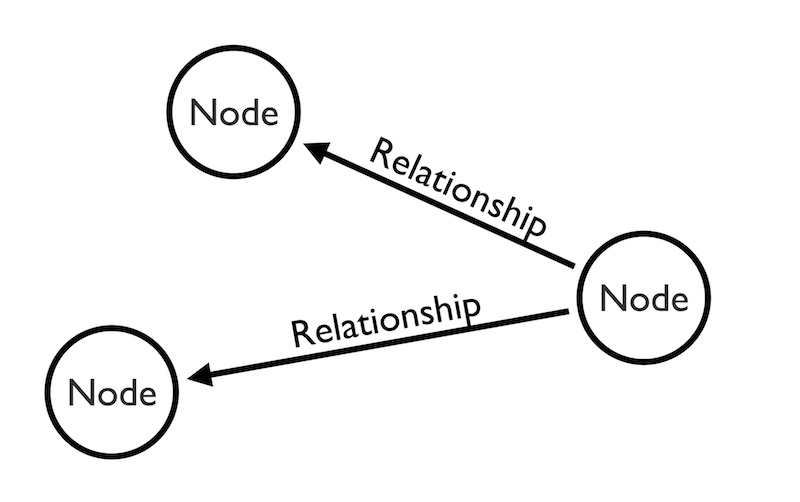
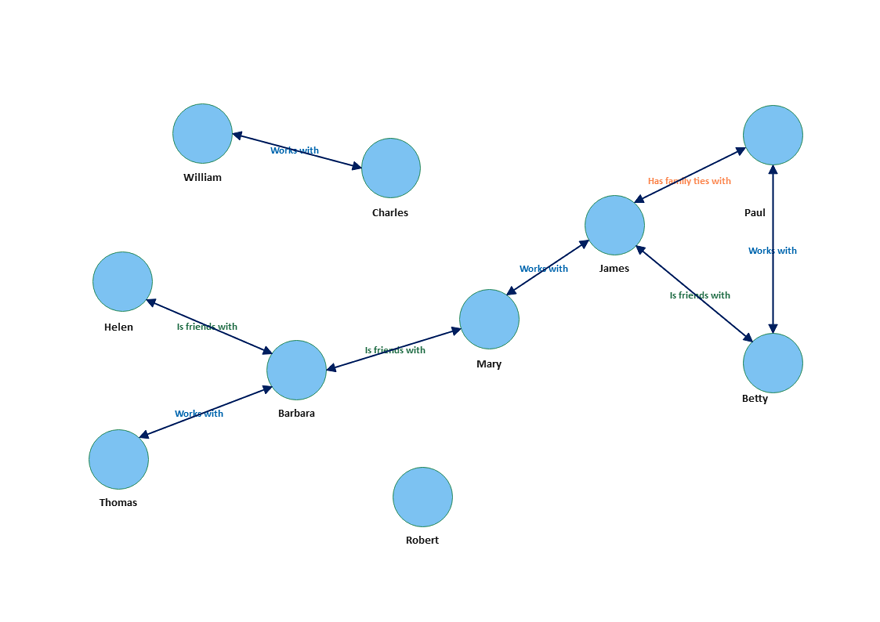
A network entity is any identifiable unit — it can be physical devices or software applications. For example, a person on Facebook or a company page on LinkedIn.
Relationship
The connection, interaction, or bond between nodes (individuals, groups, or entities) that allows for the exchange of information, trust, and resources. For example, a friendship on social media.
Sociogram
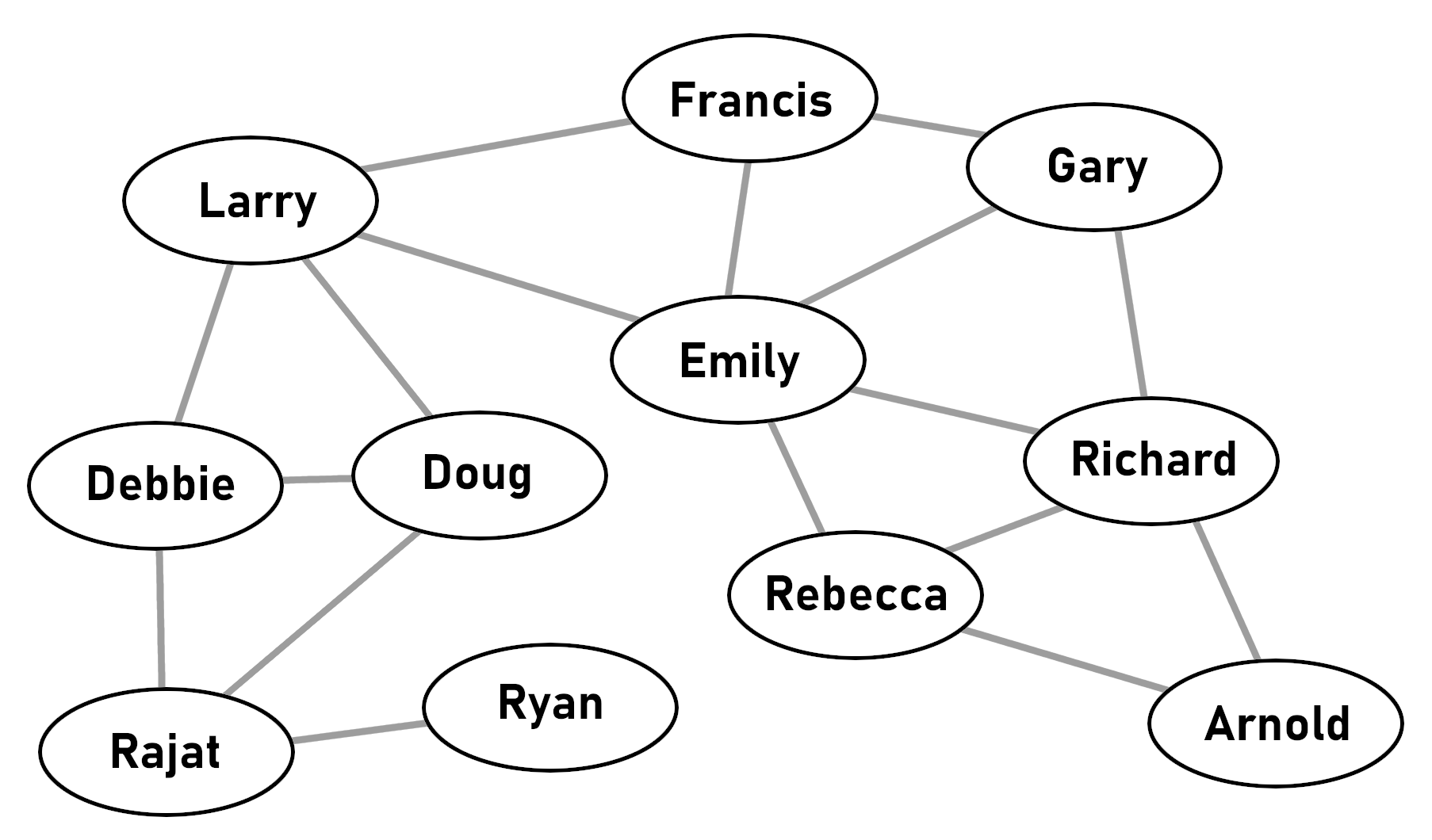
A graph to show network relationships. It visually maps the social connections and interactions between individuals or groups within a network.
Six Degrees of Separation
The theory that any person on Earth is connected to any other person through a chain of no more than six social connections. It highlights how interconnected our social world truly is.
Digital Footprint
The history of all the activity you do online. Every website visit, social media post, and online transaction contributes to your digital footprint.

Digital Citizenship
The responsible and ethical use of technology and the internet, encompassing a range of skills and behaviors necessary for navigating the digital world effectively.
Cybersecurity
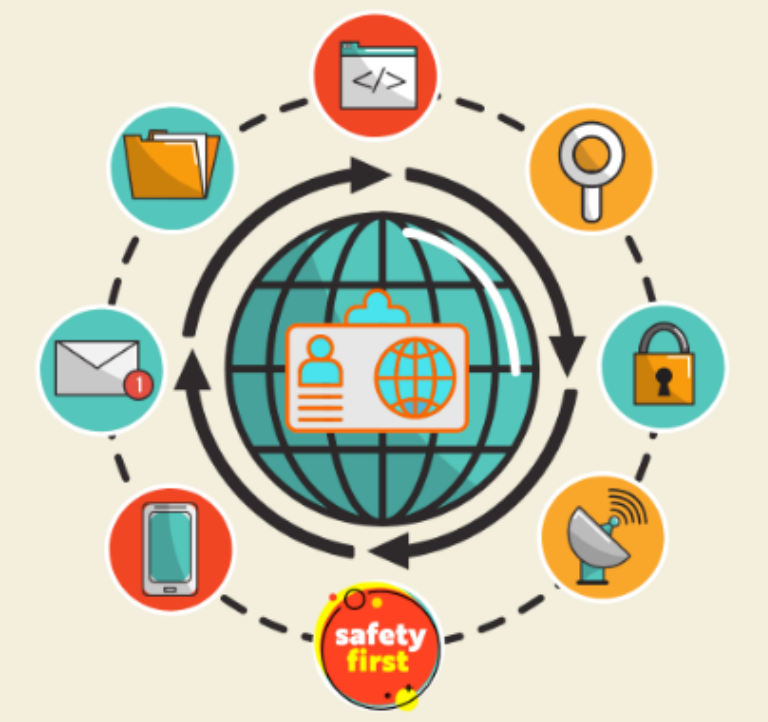
The protection of information technology elements, including hardware and software, data or network services, from unauthorised access, attacks, and damage.